
Red light therapy at home can look straightforward: choose a device, switch it on and make it part of your routine. But the useful details are often hidden behind dramatic before-and-after photographs, complicated specifications and promises that sound too good to be true. For a beginner, the challenge is not simply finding a device. It is understanding how to use that particular device thoughtfully, what questions to ask and which expectations to leave behind.
This guide explores twelve common mistakes people can make when starting a home red light therapy routine. It focuses on practical decisions rather than miracle claims: choosing a suitable format, reading instructions, organising your space and keeping your approach realistic. Whether you are exploring a face mask, a freestanding panel or a body mat, these principles can help you make a more informed purchase and a routine that fits everyday life.
This article is general educational information, not personalised medical advice. A home light device should not replace assessment or treatment for a health condition. If you have a medical condition, take medicines that can increase light sensitivity or are uncertain whether a device is appropriate for you, ask a qualified healthcare professional and check the manufacturer's guidance before use.
1. Starting without a clear reason for buying a device
One of the easiest mistakes is purchasing a device because red light therapy is popular, without deciding what you actually want from the experience. A product that looks impressive online may still be awkward for your space, uncomfortable to use or poorly matched to the area you want to illuminate. Start with a practical question: where and how do I expect to use this?
A facial routine creates different requirements from a routine involving a larger body area. Some people value a wearable format; others prefer sitting or standing near a panel. Someone with limited storage may prioritise a compact setup, while someone with a dedicated wellness space may consider a larger device. These preferences are not minor details. They shape whether your purchase becomes a useful habit or an expensive object in a cupboard.
Write down your intended area, available space and preferred session setting before comparing products. You do not need a complex plan. A sentence such as “I want a facial device I can use comfortably at home according to its instructions” gives your research a clearer direction than “I want the strongest device available”.
2. Assuming every red light therapy device is interchangeable
Devices can differ in their light sources, wavelengths, output, illuminated area, operating modes and instructions. A mask, panel, arch and mat should not be treated as identical products in different packaging. A routine described for one model may not be suitable for another, even when both are marketed as red light therapy devices.
Before buying, read the product information alongside the user manual where available. Look for clear instructions about intended use, session duration, positioning, eye precautions, cleaning and circumstances in which the product should not be used. If an important detail is missing, ask for clarification rather than filling the gap with advice from an unrelated social media video.
For a facial format, explore the Kroma Glow Mask. If you prefer a panel format, compare the Kroma Glow Pro. These links are starting points for comparing formats, not a claim that one product is suitable for every person or every goal.
3. Choosing by brightness or LED count alone
It is tempting to compare devices using whichever number looks largest. LED count, advertised power and visible brightness can seem like easy shortcuts. However, an isolated number does not tell you everything about a device, the conditions under which it was measured or whether it fits your intended use.
A visibly bright product is not automatically the right choice. Nor does a larger LED count, by itself, establish a better outcome. When reviewing specifications, ask what the figures actually describe. Are they electrical consumption, light output or something else? Is a measurement linked to a particular distance? Is there enough explanation to make a meaningful comparison?
Choose clarity over spectacle. A product listing that explains its intended use and provides accessible instructions is more useful for decision-making than a collection of impressive numbers without context. Your goal is not to win a specifications contest. It is to select a device you understand and can use as directed.
4. Copying another person's session time
A common beginner mistake is borrowing a session length from a friend, influencer or another device's instructions. That can feel convenient, particularly when online advice offers a simple universal answer. But session guidance should come from the manufacturer of the specific product you are using, not from the most confident person in a comment section.
Timing may be linked to the product's design, operating mode and positioning. Changing one element while keeping the others unchanged can move your routine away from the instructions. For that reason, this guide does not prescribe a single number of minutes or sessions for every home device.
Before your first session, find the relevant section of the manual and note the recommended duration and frequency. If the information is unclear or contradictory, contact the supplier before using the device. Resist the urge to resolve uncertainty by adding extra time. A careful start is more sensible than inventing a routine based on someone else's experience.
5. Treating distance and positioning as unimportant
Positioning is easy to overlook because it feels less exciting than selecting a device. Yet a setup that is stable, comfortable and consistent is an important part of following the instructions. A panel placed at an improvised angle or a wearable device fitted incorrectly may not be used in the way its manufacturer intended.
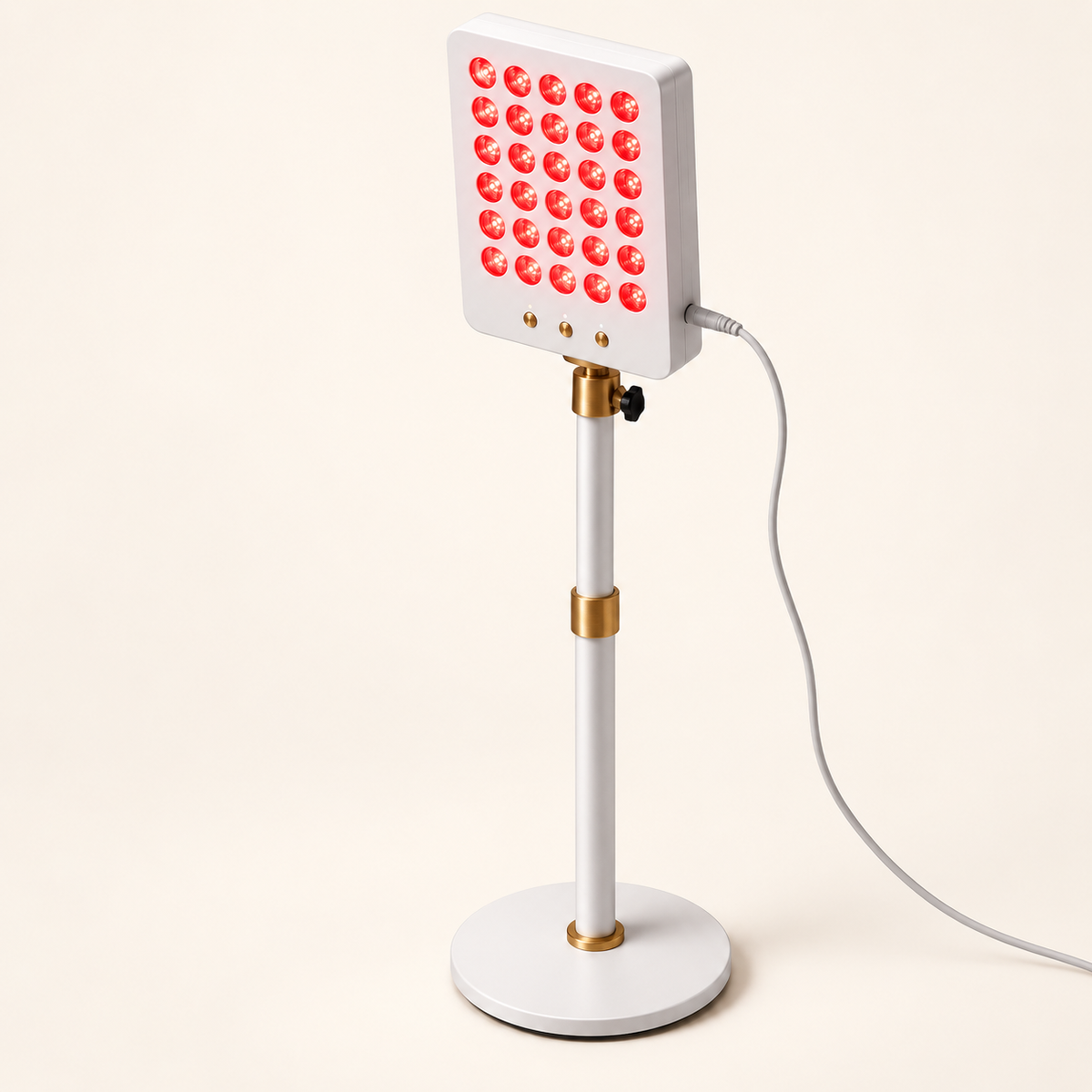
Follow the model-specific guidance about distance, fit and which areas can be exposed. Do not assume that moving closer is always preferable, or that a larger gap simply requires a longer session. Those adjustments should not be improvised. If a product is designed to sit on a stand or mount, use the approved setup rather than balancing it on furniture.
Think about comfort before switching anything on. Can you maintain the recommended position without straining your neck or shifting constantly? Can the device remain secure? Are cables out of the way? A repeatable setup reduces unnecessary guesswork and makes it easier to follow the same instructions each time.
6. Believing that more use must be better
When a wellness routine feels promising, doing more can seem like the natural next step. You may be tempted to extend sessions, use additional modes or combine several devices. But extra use is not a reliable shortcut to a better experience, and it can take you beyond the product's instructions.
Stick to the recommended operating guidance, including any limits on frequency or duration. If a timer is built into the product, understand what it does and whether it corresponds to the instructions for your intended use. Do not automatically restart it because a session felt uneventful.
A sustainable routine leaves room for ordinary life. It should not require constant escalation or create pressure to compensate for a missed session. If you miss a planned use, return to the manufacturer's guidance rather than doubling the next one. Consistency is useful as a habit-building principle, but it should never become a reason to ignore discomfort or exceed recommended use.
7. Overlooking eye precautions and light sensitivity
Eye precautions are not something to infer from a product photograph. A model shown near someone's face does not, on its own, explain how your eyes should be protected during use. Read the instructions for the exact device and follow its stated precautions. Do not stare into a light source or assume that closing your eyes is sufficient for every product.
Light sensitivity also deserves attention before you begin. Some medical conditions, medicines or treatments can affect how a person responds to light. If you are unsure whether any of these apply to you, ask a pharmacist or qualified healthcare professional before using a device and give them the relevant product information.
Do not treat a blog, retailer description or online testimonial as personalised clearance. If use causes discomfort or an unexpected reaction, stop and seek appropriate advice. The sensible approach is to resolve questions before continuing, rather than assuming that an unpleasant experience is a necessary part of the process.
8. Adding too many skincare changes at the same time
People starting a facial light routine sometimes introduce several new skincare products at once. That makes it difficult to understand what suits their skin and what might be causing irritation. A new device, a stronger exfoliant and a different moisturiser all introduced together create a confusing starting point.
Check the device instructions for skin preparation and whether particular products should be avoided during use. Do not assume that every serum, oil or active ingredient is compatible simply because it is part of your usual routine. Where instructions are missing, ask the manufacturer or an appropriate skincare professional instead of making a blanket assumption.
Keep your approach simple enough to observe. Record what products you use and avoid changing everything overnight. Red light therapy should not be treated as a replacement for everyday sun protection or as a reason to tolerate persistent irritation. For more facial-care reading, explore Kroma's Skin & Body blog, while keeping any advice specific to your own device and circumstances.
9. Expecting instant or guaranteed results
Marketing can make a new routine feel like a countdown to a dramatic transformation. That creates pressure to search for changes after every session and disappointment when everyday experience does not match an edited advertisement. No retailer should promise that every person will have the same result on the same timetable.
Evidence and outcomes depend on the particular application and device, and individual experiences can differ. A general article about red light therapy does not prove that a specific home product will produce a particular outcome. Be especially cautious when broad scientific language is used to support promises that are much more specific than the information provided.
Set practical expectations first: understanding the instructions, using the device comfortably and deciding whether the routine fits your life. If you have a persistent skin concern, unexplained pain, hair loss or another health issue, seek professional assessment rather than waiting for a home device to solve it. Informed shopping leaves room for uncertainty instead of hiding it behind guarantees.
10. Tracking changes in an inconsistent way
If you decide to record your experience, consistency matters. Photographs taken in different lighting, at different angles or with different camera settings can create apparent changes that are hard to interpret. Filters and beauty modes make comparison even less useful. A casual photograph can be a personal record, but it is not a clinical assessment.
Use the same location and similar lighting if you take progress photographs. Keep the camera distance and angle as consistent as practical, and avoid editing the images. Record relevant routine changes as well, including skincare, sleep habits or other treatments, so you do not automatically attribute every difference to the light device.
A simple diary can be more useful than repeatedly checking a mirror. Note the date, device setting used according to instructions and any comfort concerns. Avoid turning tracking into a daily source of pressure. If monitoring makes you anxious or encourages excessive use, simplify the routine and consider getting professional guidance about the concern you are trying to address.
11. Ignoring cleaning, storage and everyday practicality
A device needs a home when it is not in use. Before buying, think about where you will store it, how you will set it up and whether the space meets its operating guidance. A product that requires an awkward furniture rearrangement every time may be less practical than its listing first suggests.
Follow the manufacturer's cleaning instructions rather than improvising with household sprays, soaking or abrasive products. Unplug or power down the device as instructed, and check which surfaces can be cleaned and how. Keep any ventilation openings clear where the product requires them. Inspect cables and accessories, and do not use equipment that appears damaged.
For a larger panel format, review the Kroma Radiance Pro. For a mat format, explore the Kroma Revive. Compare dimensions, setup requirements and instructions before deciding which format belongs in your home.
12. Buying without checking the support behind the product
The product page is only one part of a purchase decision. Consider how you would obtain instructions, ask a question or get help if something is unclear. Accessible support and clear product information matter, particularly when you are buying your first home light device and learning unfamiliar terminology.
Read the store's delivery, returns and warranty information before purchasing. Check what is included with the device and whether any accessories are required for the setup you have in mind. Avoid assuming that an accessory shown in a lifestyle image is automatically included. If a detail will affect your decision, ask before ordering.
Price is important, but the lowest price is not the only useful comparison. Equally, a premium price does not by itself establish suitability. Compare the whole purchase: format, instructions, practical requirements and available support. A considered decision usually begins with fewer assumptions, not with a more dramatic sales promise.
How to build a straightforward home routine
Start by choosing the space where you will use the device. Read its instructions from beginning to end before your first session, and keep them somewhere accessible. Identify the operating mode, positioning guidance, session limits and precautions that apply to you. If you cannot find a clear answer to one of those points, pause and ask the manufacturer.
Next, make the setup easy to repeat. Keep approved accessories together, organise cables and choose a time when you are unlikely to rush. There is no need to force the routine into an elaborate wellness ritual. A simple setup that you can use as directed is preferable to one built around convenience claims that conflict with the manual.
Finally, review the experience without automatically increasing use. Ask whether the device is comfortable, whether you understand the controls and whether your expectations remain realistic. For further background reading, visit the Kroma Red Light Hub. For broader lifestyle content, explore the Wellness and Lifestyle blog.
Frequently asked questions about red light therapy at home
Can I use any red light device in the same way?
No universal routine should be assumed. Different products can have different operating guidance, intended uses and precautions. Follow the instructions supplied with your particular device rather than transferring a session plan from another model. If you replace your device, read the new instructions even if the products look similar.
Should I choose a mask, panel or mat?
Begin with the area you want to use it on and the format you can accommodate comfortably. Then compare the product's intended use, dimensions, instructions and setup requirements. A mask is a different format from a panel or mat, but format alone does not establish effectiveness or suitability for a particular person.
Is a longer session a better session?
Do not assume so. Follow the specific device's recommended duration and frequency, and avoid extending sessions in pursuit of faster changes. If you are unclear about timing or settings, ask the manufacturer. An uneventful session is not a reason to restart the timer or add another device.
Can a home device replace professional medical care?
A home wellness routine should not replace professional assessment, prescribed treatment or advice about a health concern. Seek qualified help for persistent or unexplained symptoms. If you are considering a device in connection with an existing condition, discuss the actual product and its instructions with an appropriate healthcare professional first.
What should I do before my first use?
Read the manual, check the equipment and resolve any questions about suitability, eye precautions, skin preparation or medicines that may increase light sensitivity. Set up the device securely and use it only as directed. Stop if you experience discomfort or an unexpected reaction, and seek appropriate advice before continuing.
The takeaway: make informed choices, not bigger promises
The most useful approach to red light therapy at home starts with understanding the product in front of you. Choose a format that fits your space, follow its instructions and resist the temptation to chase maximum brightness, longer sessions or instant transformations. Clear information and a manageable routine are more valuable than exaggerated expectations.
Explore the Kroma devices linked throughout this guide, compare their product information and ask questions before purchasing if something is unclear. A thoughtful home routine is not about doing everything at once. It is about making a decision you understand, using equipment as directed and knowing when a question belongs with a qualified professional.

Leave a comment
This site is protected by hCaptcha and the hCaptcha Privacy Policy and Terms of Service apply.