
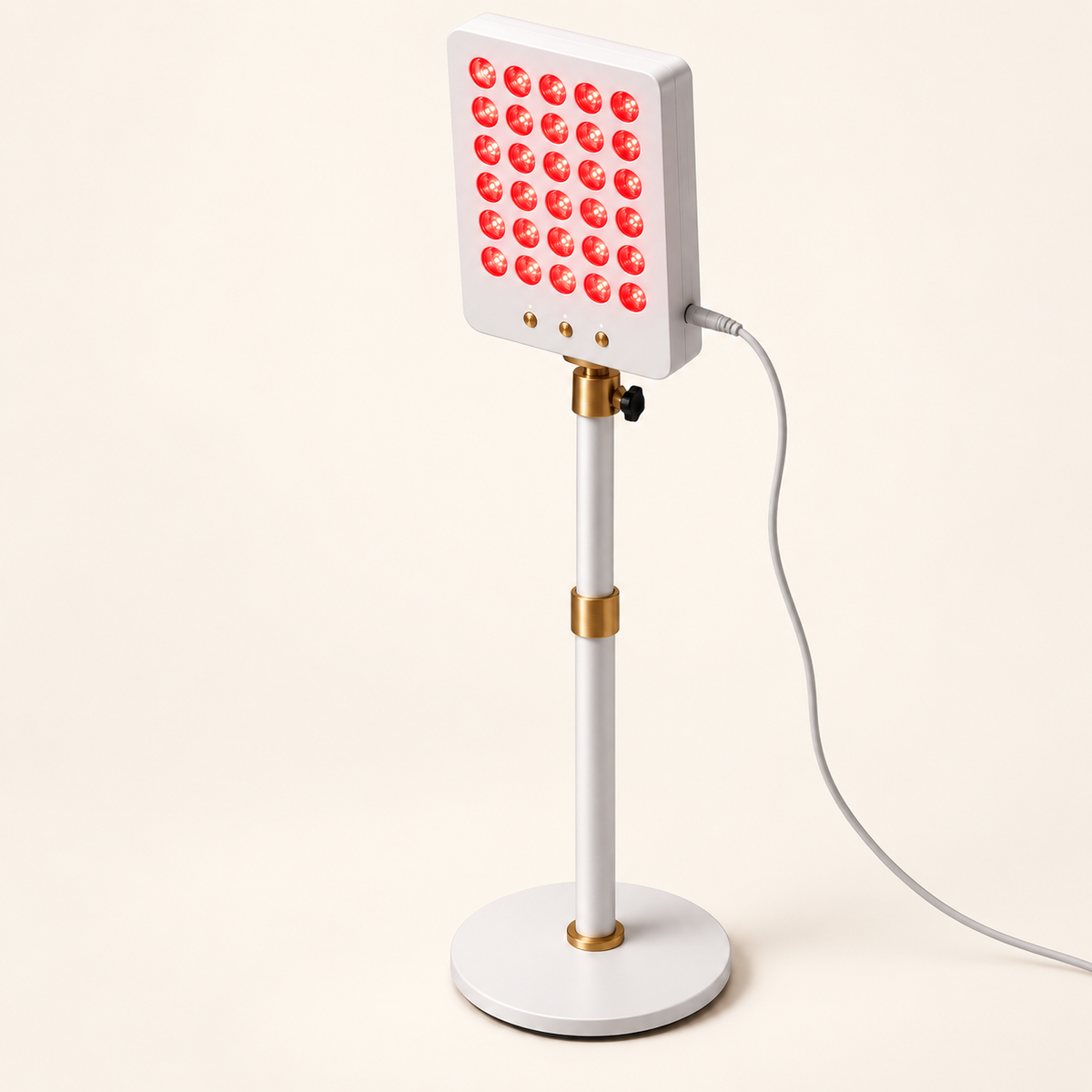
A red light therapy device can become a familiar part of your home routine, but looking after it deserves just as much attention as finding a convenient time to use it. Fingerprints, skincare residue, household dust, tangled leads and unsuitable storage can all make a device less pleasant to handle. The good news is that a sensible care routine does not need to be complicated.
This guide explains how to approach cleaning and storing a red light therapy device, whether you own a freestanding panel, a wearable face mask or a body mat. It focuses on practical habits rather than product-specific cleaning recipes. Different materials, electrical designs and accessories need different treatment, so the instructions supplied with your exact model always take priority.
If you are still exploring the options, start with our Kroma Glow Pro red and near-infrared light therapy panel. Already have a device? Keep its manual nearby as you work through the checks below.
How do you clean a red light therapy device?
The starting point is to switch the device off, disconnect it from its power source according to its instructions and allow it to cool before handling or cleaning it. Check the manual for the approved method, cloth type and any permitted cleaning product. Do not assume a method that suits one mask, panel or mat will suit another.
Keep liquids away from electrical connections, controls, openings and any areas the manufacturer says must remain dry. Avoid spraying a product directly onto the device unless the instructions expressly permit it. After cleaning, follow the specified drying procedure and check that everything is ready for use before reconnecting power. If the manual is missing or unclear, ask the seller for the correct guidance rather than experimenting.
Why device care belongs in your routine
Cleaning is not an exciting part of owning a wellness device, but it helps you maintain a usable space and notice changes in the equipment. A quick inspection might reveal a cable trapped under furniture, a loose stand fitting or residue around a controller. Those are easier to address when you spot them before a session rather than after you have settled in.
Care should not be confused with a promise of better treatment results. Wiping a surface does not establish the light output, clinical performance or remaining life of a device. The aim is more straightforward: follow the supplied maintenance instructions, keep the equipment in appropriate conditions and avoid preventable handling mistakes. Think of it as looking after any other electrical item you use regularly at home.
Start with the instructions for your exact model
Before choosing a cloth or cleaner, identify the model and find the relevant manual. A product photograph, a social media tip or advice for a similar-looking device is not a substitute. Even two products described as red light therapy masks can have different surface materials, removable parts, charging arrangements and restrictions on moisture.
Look specifically for sections covering cleaning, disinfection, storage, operating conditions, power supplies and maintenance. Note whether accessories have separate instructions. A removable strap might need different care from the main device, while a controller may need to remain completely separate from the cleaning process. If the wording does not answer your question, pause and contact the supplier with the model name and a photograph of the relevant area.
Prepare a safe, uncluttered cleaning space
Choose a stable surface where you can set the equipment down without stretching a cable or balancing it near an edge. Move open drinks, skincare bottles and other liquids out of the way. Give yourself enough room to see the device, its lead and any removable accessories clearly. A rushed wipe while the equipment is still connected is not a useful shortcut.
Keep the approved cleaning materials within reach before starting. Wash and dry your hands, particularly if you have just applied moisturiser or handled cleaning products. Where the manual allows a cloth, use one that is clean and suitable for the specified surface. A cloth previously used with furniture polish or kitchen spray can transfer substances you never intended to put on the device.
Cleaning a red light therapy panel
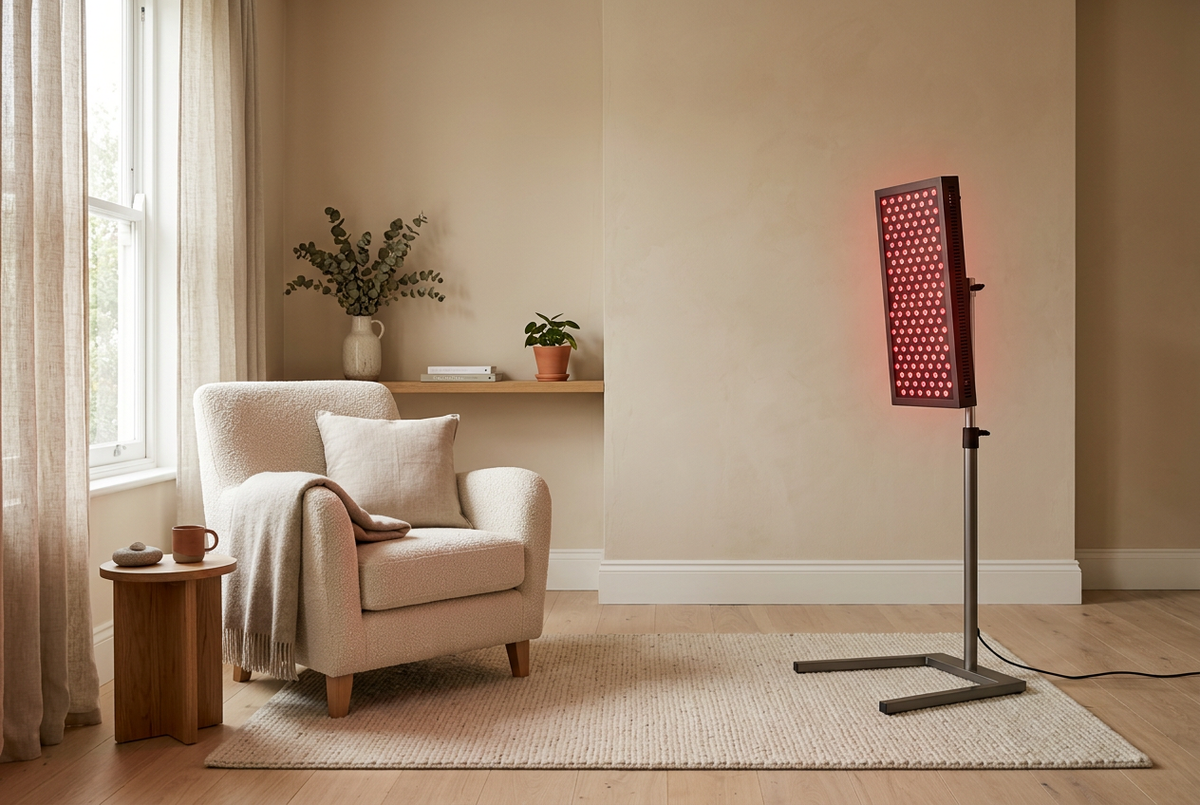
For a panel, consider the housing, light-facing surface, stand, controls and power connections as separate areas. Do not assume they can all be cleaned in the same way. The manual may distinguish between accessible exterior surfaces and openings that should not be touched or exposed to moisture. Never remove a casing or reach inside to clean internal components.
Household dust is best managed through the approved external care method rather than improvised tools. Avoid forcing a brush, cotton bud or cloth into vents or around electrical parts. Likewise, do not use compressed air, a vacuum attachment or a polishing product unless the manufacturer specifically recommends it. A familiar cleaning tool can still be unsuitable for a particular design.
If your panel sits on a stand, inspect the visible assembly while it is off and cool. Check for movement or instability and consult the assembly instructions if something needs attention. Do not tighten unfamiliar parts or alter the mount by trial and error. The Kroma Glow Pro product page is a useful starting point for identifying the product before asking a model-specific care question.
Cleaning a red light therapy face mask
A wearable mask introduces a different consideration: some surfaces may come into contact with your skin. That makes it worth checking for visible skincare residue, makeup or other marks before and after use. Follow the mask's own instructions for preparing your skin and cleaning contact areas. Do not copy the care method for a household face covering or a cosmetic brush.
Pay particular attention to what can and cannot be detached. Straps, eye pieces, cables and controllers should only be removed when the instructions allow it. Never submerge a mask because its outer surface looks flexible or wipeable. Appearance alone tells you nothing reliable about whether water can enter the electronics or damage a connection.
Our Kroma Glow Mask red and near-infrared face mask is one option to explore if you prefer a wearable format. For any mask you already own, ask for its specific cleaning guidance before introducing disinfectant wipes, alcohol, fragranced products or a new skincare combination. A product being suitable for your skin does not make it suitable for your device.
Cleaning a red light therapy mat
A mat needs its own approach because a larger surface does not mean a washable surface. Check how the manufacturer describes the outer material and whether any cover is removable. Do not assume that a cover, mat and attached cable can go through the same cleaning process. Machine washing, soaking or steam cleaning should never be inferred from the product's shape or softness.
When inspecting a mat, look at seams, the cable entry point, the controller and any areas that bend during use. Avoid pulling on a lead to move the equipment. If you find a damaged area or a change in how the mat lies, stop and ask the supplier what to do. Do not attempt a repair with tape, glue or an improvised replacement part.
If you are considering this format, you can view the Kroma Revive red light therapy mat. Before choosing a storage spot, confirm the folding or rolling instructions for the exact version you have. A crease that fits neatly into a cupboard is not necessarily a bend the manufacturer allows.
Choose cleaning products carefully
One of the easiest mistakes is assuming that a stronger cleaner must be a better cleaner. Device surfaces can respond differently to alcohol, solvents, abrasives, bleach, essential oils and household sprays. A wipe marketed for general surfaces is not automatically approved for a light therapy device. Even a product labelled gentle can leave residue or contain ingredients unsuitable for a particular material.
Use only the method and substances permitted in the care instructions. If an approved cleaner has preparation or dilution requirements, follow them exactly rather than estimating. Do not mix cleaning products. Where the guidance specifies a dry method, adding water is not an upgrade. Where it gives no advice about disinfection, ask for clarification instead of creating your own procedure.
How often should you clean your device?
The right cleaning schedule comes from the manufacturer's instructions and how the device is used. A mask that contacts skin has different handling considerations from a panel positioned at a distance. A device used by more than one person may also require specific guidance. Avoid treating a universal daily or weekly schedule as suitable for every design.
A useful habit is to make a brief visual check part of each session. Look for residue, dust, damage or anything unusual, then follow the approved cleaning schedule and method. If something needs attention, deal with it before use rather than increasing cleaning intensity later. Consistency is helpful, but repeated unnecessary wiping with an unsuitable substance is not better care.
Where should you store a red light therapy device?
Choose a location that meets the temperature, humidity and other storage conditions in the manual. Keep the equipment away from places where it could be splashed, knocked over or trapped behind furniture. A bathroom shelf may be convenient, but convenience alone does not make a damp space suitable for electrical equipment. Check the specified conditions before making it the permanent home for your device.
A dedicated shelf or storage area can make the routine simpler. Leave enough room for the equipment and its accessories without stacking heavy objects on top. If you use a cover or case, confirm that it is suitable and only put the device away when it has cooled and is ready for storage. Never cover a running device or block required ventilation.
Protect cables, plugs and controllers
Cables often suffer from the least visible daily habits: being pinched in a drawer, bent tightly around a controller or pulled to bring a device closer. Give the lead a clear route during use and follow the storage instructions afterwards. Disconnect by the connector as directed, rather than tugging the cable itself. Keep plugs and connectors protected from liquid and physical damage.
Before reconnecting, check for visible wear, exposed wiring, unusual bending or damaged connector housings. If you notice a fault, stop using the equipment and contact the seller. Do not substitute a charger or power supply simply because the connector appears to fit. Use the specified accessories and ask for confirmation if a replacement is needed.
Build a simple before-and-after care habit
Before a session, check that your setup is stable, the device looks intact and the surrounding space is clear. Make sure any necessary cleaning has been completed according to the instructions and that the equipment is ready to reconnect. Review the operating directions separately, including positioning and any required protective measures. Maintenance advice does not replace the instructions for using the light.
After a session, switch off and disconnect as directed, allow the equipment to cool and inspect it before storage. Complete any required cleaning, let it dry according to the manual and put accessories back in their designated place. Keeping the process predictable means you are less likely to leave a cable across a walkway or put warm equipment into a crowded drawer.
Keep skincare and device care separate
When a face mask or nearby panel shares a dressing table with your skincare, it is easy for routines to blur. Avoid handling controls with product-covered hands or leaving open bottles beside electrical connections. Check both the device guidance and any relevant skincare instructions rather than assuming a serum, facial oil or exfoliant belongs in every light therapy session.
For a broader look at sequencing, read our guide to red light therapy before or after skincare. Keep the distinction clear: skin preparation concerns what is appropriate for your session, while device cleaning concerns what is approved for the equipment. Neither should be improvised from an influencer's routine or a cleaning hack designed for another product.
What to do if your device gets wet or damaged
If liquid reaches the equipment or you notice damage, stop the session and follow the emergency or fault guidance in the manual. Do not switch it on to test whether it still works. If power or liquid creates an immediate hazard, prioritise your safety and avoid handling wet electrical equipment. Seek appropriate help rather than trying to rescue the device yourself.
Once it is safe to do so, contact the seller with the model, a description of what happened and clear photographs if requested. Keep the equipment out of use until you have reliable instructions. Do not open the casing, apply heat to dry internal parts or attempt an electrical repair. A normal-looking exterior is not confirmation that a wet or dropped device is ready to use.
Frequently asked questions about red light therapy device care
Can I use alcohol wipes on my red light therapy mask?
Only if the instructions for that exact mask permit them. Alcohol wipes vary, and materials or finishes can have different restrictions. Check the approved product and method rather than assuming all wipes are interchangeable. If the manual does not answer the question, ask the supplier before using one.
Can I wash a red light therapy mat?
Do not assume that you can. Check whether the instructions distinguish between the main device and a removable cover. A wipeable surface is not the same as a washable electrical product. Use only the cleaning process explicitly approved for your model.
Should I clean a panel while it is switched on?
No. Switch it off, disconnect it as directed and allow it to cool before cleaning. Keep cleaning separate from your session so that you can inspect the equipment carefully and avoid introducing moisture or touching parts while it is operating.
Can I share a mask with someone else?
Check the manufacturer's guidance on whether sharing is appropriate and what cleaning or hygiene measures it requires. Do not assume a quick wipe makes a device suitable for multiple users. If clear sharing instructions are unavailable, ask before allowing someone else to use it.
Will better cleaning make the light stronger?
Cleaning is maintenance, not a verified way to increase output or guarantee results. Follow the approved care process to look after the device, and direct questions about performance or faults to the supplier. Do not alter the light-facing surface or remove parts in an attempt to change output.
A well-organised setup is easier to look after
The best care routine is the one that matches your actual device and fits naturally into how you use it. Keep the manual accessible, give the equipment a suitable storage place and make inspection a normal part of setting up. Avoid shortcuts with moisture, household chemicals or replacement power supplies. When something is unclear, a model-specific answer is worth more than a generic tip.
If you are comparing formats, our guide to choosing a red light therapy device, including panels, masks and mats can help you think through the practical differences. Choose equipment you can accommodate, operate and maintain according to its instructions. A thoughtful setup makes looking after your device a small, manageable part of your routine rather than an afterthought.


Leave a comment
This site is protected by hCaptcha and the hCaptcha Privacy Policy and Terms of Service apply.